What is GPL in WordPress Ecosystem: The Complete Technical Guide
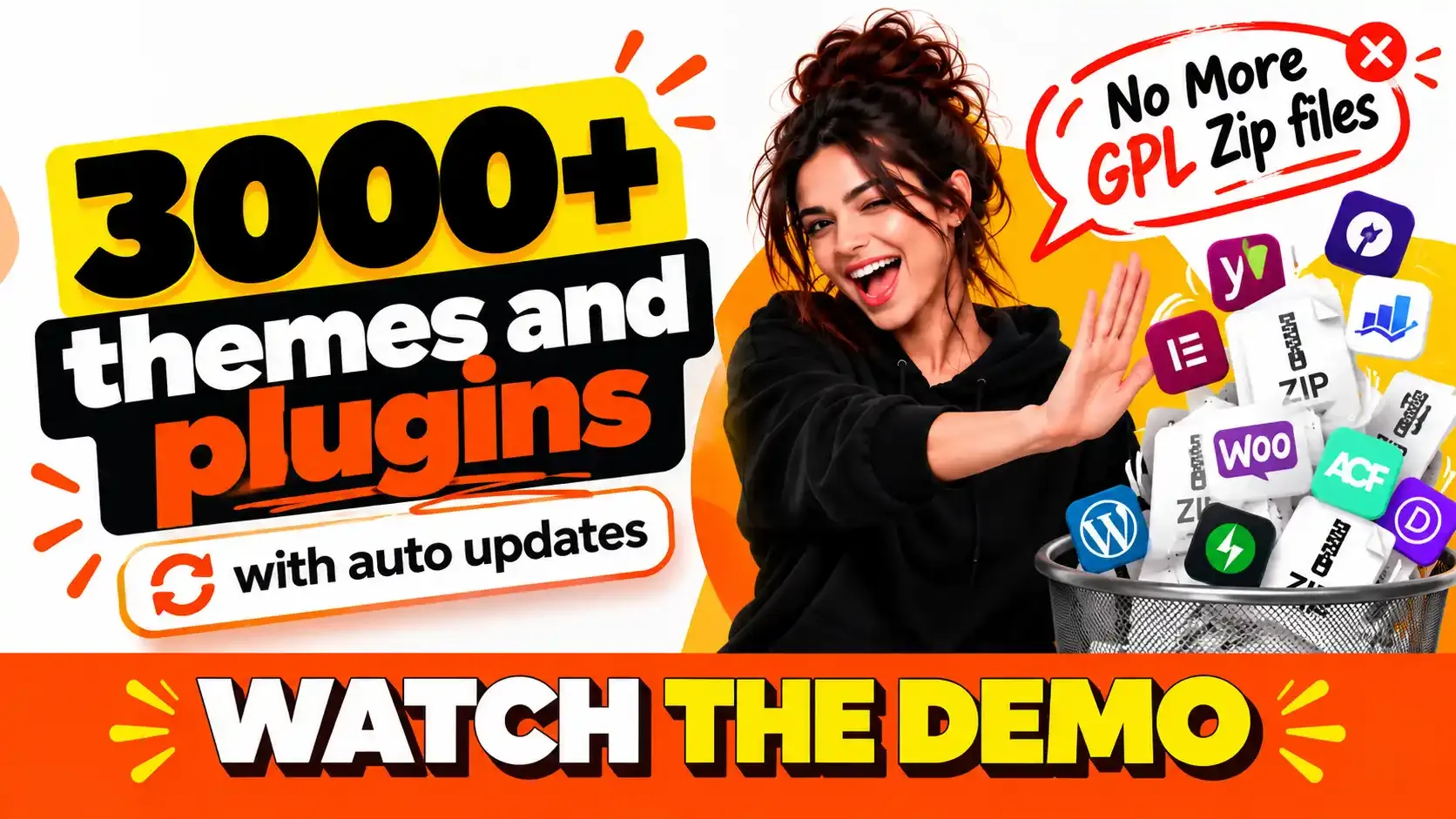
Access directly in your WordPress with auto-updates.
What is GPL in WordPress Ecosystem? The Ultimate Direct Answer
The General Public License, commonly known as the GPL, is the foundational open-source license that governs WordPress, its themes, and its plugins. Created by the Free Software Foundation, the GPL ensures that every user has the absolute freedom to run, study, share, and modify the software. Within the WordPress ecosystem, the GPL guarantees that anyone can inspect source code, redistribute modifications, and build commercial enterprises on top of free foundations without fearing sudden copyright injunctions.
For a long time, understanding this license has confused new developers and agency owners alike. When you launch your journey at WP Beginning, you quickly realize that WordPress is not merely a piece of software. It is a vibrant community enabled by the collaborative spirit of the WordPress project and its strict adherence to the GPL v2 licensing model. Central to this architecture is WP.org, the official repository that mandates all hosted themes and plugins to respect these exact freedoms.
Understanding how these legal freedoms translate into operational reality allows businesses to scale efficiently. Instead of paying isolated corporate subscription fees for every minor utility, savvy agencies leverage verified repositories. To explore how high-tier utilities operate under this legal umbrella, check out GPL Plugins to see how streamlined access transforms site development.
The Legal Architecture of WordPress and the GPL v2
To truly grasp what GPL means, we must examine the legal text and intent behind the license. Software licensing dictates what you can legally do with binary and source files. Proprietary software locks users inside a walled garden, restricting reverse engineering, sharing, and deployment. Conversely, the GPL acts as a legal instrument protecting user liberties.
The Four Essential Freedoms
- The freedom to run the program, for any purpose.
- The freedom to study how the program works, and change it to make it do what you wish.
- The freedom to redistribute copies so you can help your neighbor.
- The freedom to distribute copies of your modified versions to others.
When these four pillars apply to WordPress, the entire web development industry shifts from a restrictive marketplace to an open meritocracy. Developers can take core systems, build custom modules, and sell those additions commercially. However, any derivative work containing PHP code that executes alongside WordPress must also inherit the GPL license.
Why GPL v2 is the Cornerstone
While newer versions of the GPL exist (such as GPL v3), WordPress remains strictly tied to GPL v2. This specific version contains clauses regarding software patents and digital restrictions management (DRM) that align perfectly with the philosophy of the core developers. It ensures that no vendor can take open-source code, compile it into a proprietary container, and strip away user rights.
As you build out your development stack, understanding how licensing affects your workflow prevents legal blind spots. Many agencies transition away from restrictive single-site models by exploring what is wpdistro to understand how pooled resources lower overhead without violating compliance standards.
PHP, WordPress, and the Derivative Work Debate
A common technical question that arises in developer communities involves the scope of the GPL. Because WordPress is written in PHP, and PHP files are interpreted dynamically alongside plugin and theme code, the WordPress legal interpretation states that plugins and themes are derivative works of WordPress.
This means that any plugin or theme distributed for use on WordPress must be licensed under the GPL or a compatible license. While CSS and JavaScript files exist in a legal gray area regarding complete inheritance, the PHP code executing within the WordPress runtime unequivocally falls under the GPL v2 umbrella.
Code Example: Checking Plugin Header License Compliance
Every legitimate WordPress plugin must declare its license within the main plugin file header. This ensures transparency for site administrators:
<?
/**
 * Plugin Name: Custom Agency Utility
 * Description: A secure utility script for managing custom post types.
 * Version: 1.0.0
 * Author: WPDistro Architecture Team
 * License: GPL v2 or later
 * License URI: https://www.gnu.org/licenses/gpl-2.0.html
 */

// Prevent direct access to the file
if ( ! defined( 'ABSPATH' ) ) {
    exit;
}

function wpdistro_secure_utility_init() {
    // Core initialization logic
}
add_action( 'init', 'wpdistro_secure_utility_init' );
?>
Declaring the license explicitly within the header allows automated scanners and repository managers to verify that the software respects user freedoms. When acquiring software through platforms like WP Beginning or trusted distribution networks, checking these headers confirms clean compliance.
The Economic Reality: Free Software vs. Commercial Services
A common misconception is that GPL software must be given away for free. The Free Software Foundation explicitly clarifies that “free” refers to freedom, not price. You are entirely permitted to charge money for copies of GPL software.
This distinction forms the backbone of the modern WordPress economy. Developers spend hundreds of hours crafting sophisticated plugins like page builders, SEO suites, and e-commerce extensions. They package these tools, provide specialized customer support, and offer automated update services. You are not paying for the code itself—because the code is inherently free under the GPL—you are paying for the convenience, the support channel, and the update infrastructure.
However, paying individual licensing fees for thirty different plugins across twenty client websites quickly drains an agency’s budget. This economic friction creates the need for centralized, curated repositories that respect the GPL while providing enterprise-grade delivery mechanisms.
How WPDistro Revolutionizes GPL Plugin Distribution
Traditional GPL distribution sites often feel like unsafe digital backalleys. They frequently dump unverified ZIP files into messy directories, forcing developers to manually download, upload, and track updates via FTP. Worse, many of these repositories contain injected malware, hidden backdoors, or malicious redirects.
WPDistro completely redefines this experience by focusing on quality over quantity, rigorous security, and seamless user convenience.
The WPDistro Advantage
- No Garbage Catalog: While other providers boast massive, bloated catalogs of 50,000+ unverified items packed with obsolete scripts, WPDistro maintains an assorted, premium, vetted, and risk-free library of over 3,000+ essential plugins and themes.
- Manual File Verification: Every single file is meticulously checked by human technicians to ensure zero malware, zero backdoors, and absolute structural integrity.
- Dashboard Auto-Updates: Unlike standard GPL sites that require manual file swapping, WPDistro delivers auto-updates directly inside your WordPress dashboard. Set up once and forget it.
- Unbeatable Pricing: With flexible tiers starting at just $3 per year for a single website, or an unlimited agency plan at only $28 per year, there are no lock-ins, no daily download caps, and no hidden fees.
Trusted by over 2,500 agencies powering more than 95,000 active websites, WPDistro solves the modern agency cost crisis without compromising on security or performance. To see how this model compares against purchasing individual corporate keys, review why wpdistro is the best choice for premium wordpress gpl plugins in 2027.
Technical Setup: Installing and Updating GPL Plugins via WPDistro
Deploying professional-grade tools should never require complex command-line gymnastics or tedious manual file management. WPDistro bridges the gap between open-source freedom and enterprise automation.
Step-by-Step Integration Guide
- Select Your Plan: Choose between the single-site tier ($3/year) or the unlimited agency tier ($28/year) at WPDistro.
- Install the Connection Bridge: Download the lightweight WPDistro client plugin and upload it to your WordPress installation via WP.org plugin uploader.
- Activate Your Key: Input your secure account credentials to link your dashboard to the verified repository.
- Browse and Deploy: Access the curated library of 3,000+ premium plugins and themes directly from your WordPress admin panel.
- Enable Auto-Updates: Click install. Future updates arrive automatically in your dashboard just like standard commercial plugins.
Code Snippet: Forcing Transient Cache Refresh for WPDistro Updates
Sometimes, when managing rapid deployment cycles across multiple client sites, WordPress caches old update transients. You can use this custom snippet in your theme’s functions.php file or a site-specific utility plugin to force an immediate check against the repository:
<?
/**
 * Force WordPress plugin update transient refresh
 */
function wpdistro_force_update_check() {
    if ( ! current_user_can( 'update_plugins' ) ) {
        return;
    }

    // Clear existing update transients
    delete_site_transient( 'update_plugins' );
    wp_update_plugins();

    // Redirect back with notice
    wp_safe_redirect( admin_url( 'plugins.php?plugin_status=upgrade' ) );
    exit;
}

// Register custom admin action hook
add_admin_action( 'wpdistro_refresh_updates', 'wpdistro_force_update_check' );
?>
This simple snippet ensures your staging and production environments stay synchronized with the latest secure releases available through your subscription.
Why Quality Beats Quantity in GPL Repositories
When evaluating providers in the WordPress ecosystem, many users fall for marketing traps promising tens of thousands of plugins. A closer technical inspection of those massive repositories reveals critical flaws:
- Abandoned Codebases: Thousands of listed plugins are years out of date, containing deprecated PHP functions that trigger fatal errors on modern PHP 8.x environments.
- Unchecked Vulnerabilities: Bulk-scraped repositories rarely audit code for security flaws, leaving websites exposed to SQL injections and cross-site scripting (XSS).
- Missing Dependencies: Many complex plugins require external API bridges that fail when files are redistributed without proper configuration support.
WPDistro rejects this scattershot approach. By curating only the most vital, high-performing commercial assets, WPDistro ensures that every tool in the library functions flawlessly out of the box. Agencies scaling multiple client properties rely on this stability to maintain uptime and performance. Read more about mitigating overhead costs in how wpdistro solves plugin cost crisis.
Frequently Asked Questions
Is using GPL plugins legally safe for my business website?
Yes, absolutely. The WordPress core software and all derivative themes and plugins are licensed under the GPL v2 or later. This grants you the legal right to use, modify, and distribute the code without infringing copyright law.
How do updates work with WPDistro if I am not buying direct developer keys?
WPDistro provides automated updates directly inside your WordPress dashboard. Once connected, your site receives verified update packages seamlessly, eliminating the need for manual ZIP uploads.
Are WPDistro files free from malware and security vulnerabilities?
Unlike unverified, sketchy GPL sites that dump raw files, WPDistro's expert team manually vets, checks, and cleans every file in the catalog to ensure 100% security and zero malware.
What are the pricing limits for WPDistro subscriptions?
WPDistro offers two straightforward plans per year: $3 per year for a single website, and $28 per year for unlimited websites. There are no lock-ins, no daily download limits, and no hidden renewal traps.
Why should I choose WPDistro instead of downloading from random free repositories?
Random free repositories often inject malicious scripts or distribute outdated, broken code. WPDistro provides a curated catalog of 3,000+ premium plugins and themes backed by auto-updates and rigorous manual security checks.